
Disclosure: This post contains affiliate links; we may earn a commission at no extra cost to you.
If you’ve already read our Fetch Rewards review or our Ibotta review, you already know both apps turn a shopping receipt into money back. The question people actually ask is narrower: if you only have patience for one app, which one pays more for the same trip to the store? The honest answer is that they’re built for different shopping styles, and a lot of households end up running both anyway.
The core difference: universal receipts vs. offer activation
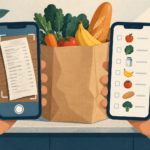
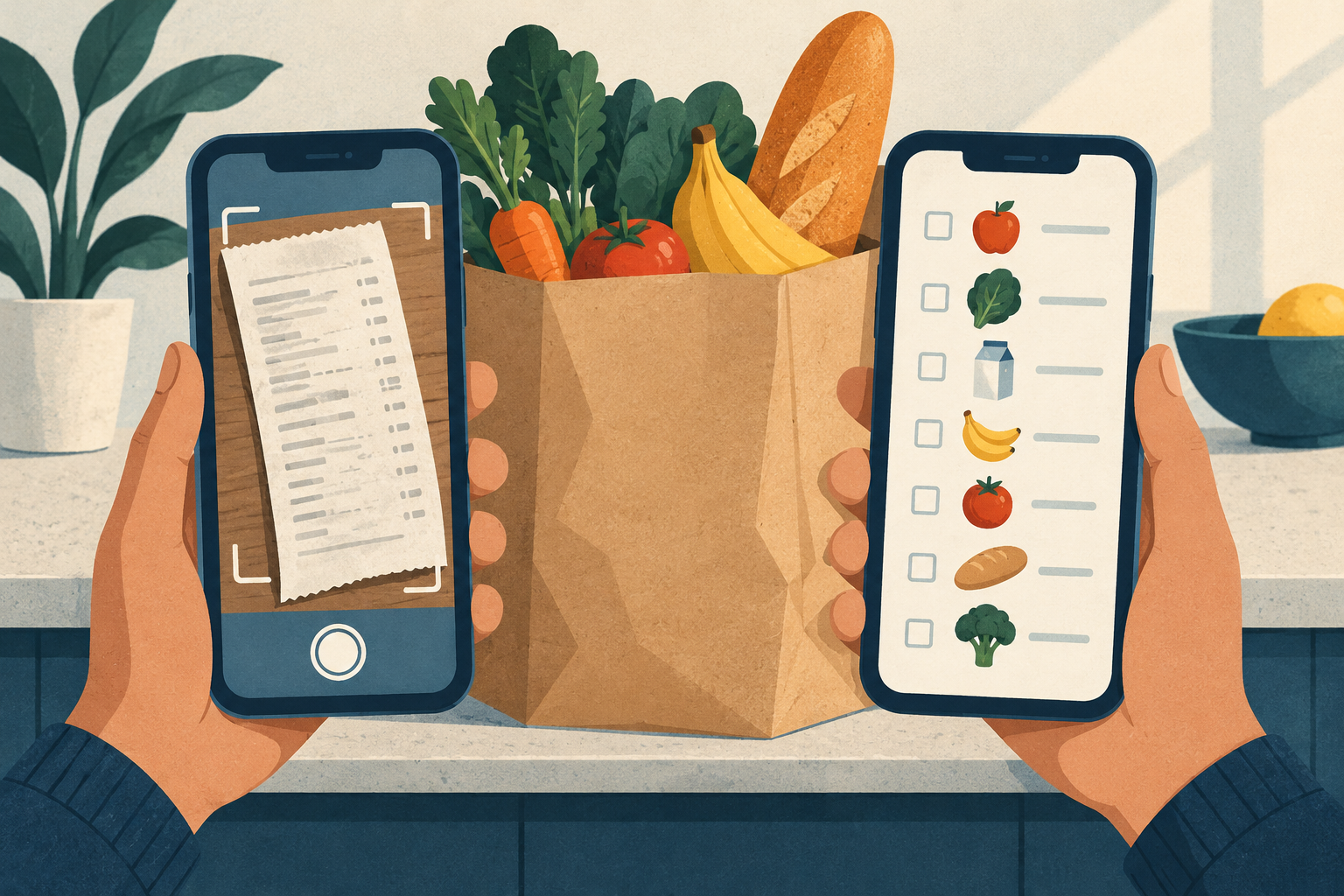
Fetch’s whole pitch is friction-free: scan any receipt from any store — groceries, gas, restaurants, even a forwarded online-order confirmation email — and you get points automatically, no pre-shopping required. Ibotta works the opposite way. You browse the app before you shop, “unlock” specific offers on specific products or brands, then scan (or link your loyalty account) to redeem them. Ibotta pays more per item, but only for the items you planned ahead for; Fetch pays less per receipt line, but on literally everything you buy.
Payout rates: Ibotta wins per-item, Fetch wins on convenience
| Fetch Rewards | Ibotta | |
|---|---|---|
| How you earn | Automatic points on any receipt | Must activate offers before shopping |
| Typical payout | ~$0.10–$0.50 per receipt (no partner brand) | ~$0.25–$1.00 per activated item |
| Bonus multipliers | Partner-brand bonus points | Weekly/monthly bonus targets |
| Payout form | Gift cards (from $3); cash at higher tiers | Cash via PayPal/Venmo, or gift cards |
| Minimum cash-out | $3 in gift cards, higher for cash | $20 |
| Best for | Every-receipt, low-effort earners | Weekly grocery shoppers willing to plan |
Per receipt line, Ibotta consistently pays more — its whole model is funded by brands paying for specific product placements, so the payout per qualifying item is simply higher than Fetch’s blanket per-receipt rate. But Ibotta only pays on the offers you activated ahead of time, so a shopping trip with no matching offers can earn nothing beyond a small “receipt bonus.” Fetch earns something on every single receipt regardless of what you bought, which is why frequent, low-attention users tend to accumulate more total receipts logged over a year even if each one is worth less.
Redemption: cash flexibility vs. low starting threshold
This is where the two apps genuinely split audiences. Ibotta cashes out as real money — PayPal or Venmo transfer, or gift cards — once you clear the $20 minimum. Fetch is gift-card-first: you can redeem for as little as $3 in gift cards, which feels good early on, but getting actual cash out of Fetch requires a higher points balance and isn’t the app’s main redemption path. If you specifically want cash in your bank account rather than a gift card you may or may not use, Ibotta is the better fit.
Effort required
Ibotta asks more of you: open the app before the store, browse and tap to activate offers, then remember to scan or link your loyalty account. Skip that step and you leave money on the table. Fetch asks almost nothing — take a photo of any receipt after the fact, or forward an email confirmation for online purchases, and the app does the rest. If you’re the type who forgets to plan ahead at the register, Fetch’s after-the-fact model fits real behavior better than Ibotta’s before-you-shop model.
The stacking strategy most people miss
You don’t have to choose. The two apps don’t compete with each other for the same receipt — you can scan a single Walmart receipt in Ibotta first (to claim any activated offers), then scan the same receipt in Fetch afterward for its universal per-receipt points. Running both takes maybe 60 extra seconds per shopping trip and captures rewards from both models instead of leaving one on the table. This is the setup most heavy users of either app eventually land on rather than treating it as an either/or decision.
Who should pick which
Choose Ibotta if you do a real weekly grocery run, don’t mind five minutes of offer-browsing beforehand, and want actual cash payouts rather than gift cards. Choose Fetch if you want the lowest-effort option that still earns something on every purchase, including receipts you’d otherwise just throw away, and you’re fine redeeming in gift cards. Choose both if you want to maximize total rewards and don’t mind the extra 60 seconds per trip — which, in practice, is what most serious cashback-app users end up doing.
Editor’s pick — the programs mentioned above are in our review queue; we’ll add direct sign-up links once affiliate agreements are confirmed.
FAQ
Does scanning the same receipt in both apps count as fraud?
No — Fetch and Ibotta are independent companies with no shared receipt database, so submitting the same receipt to both is normal and explicitly allowed by both apps’ terms.
Which app has the higher minimum payout?
Ibotta’s $20 cash-out minimum is higher than Fetch’s $3 gift-card minimum, though Fetch’s cash-redemption tier (rather than gift cards) requires a larger points balance than its headline $3 figure suggests.
Can I use Fetch or Ibotta without a smartphone?
Both are mobile-app-only; neither has a meaningful desktop-based receipt-submission workflow, since the core mechanic depends on the phone camera.
Which app is better for someone who mostly shops online, not in physical stores?
Fetch has the edge here — it accepts forwarded email receipts from online orders directly, while Ibotta leans more heavily on its browser extension and in-store offer activation.